



While women have made progress in the real estate industry, they remain underrepresented in ownership and leadership roles, with agencies missing out on talent retention, trust-building, and strong cultural contributions.
As the Women in Real Estate Awards approach, recognising women in the real estate industry has never been so important.
Returning for the first time since 2021, the 2026 awards attracted 250 submissions and named 161 finalists across 21 categories, highlighting the breadth of female talent across real estate.
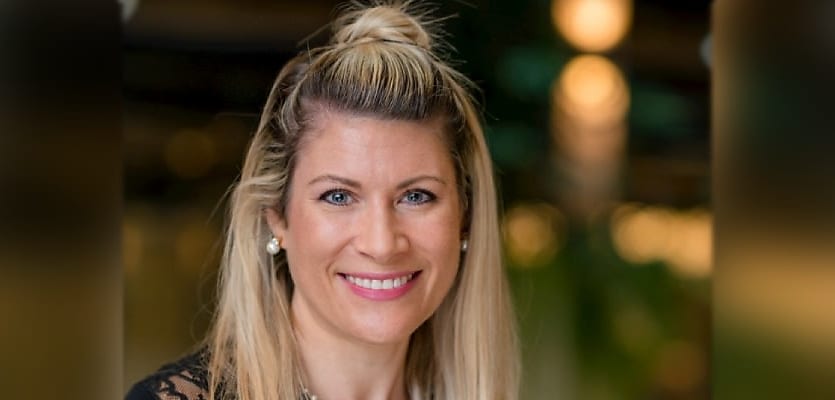
According to Domain vice president Belinda Sinclair, the industry has come a long way since she began her career two decades ago, when women in senior leadership positions were far less common.
When she first started her career, Sinclair was often one of the only women in the boardroom or at leadership conferences, having to find her voice and prove she belonged in spaces where women were rarely represented.
“20 years ago, we were in that old school mindset of whether it’s building, construction, developers, real estate, it was a heavily male-dominated industry, and maybe some of the more successful women leaders were the exception rather than the norm.
“That still happens sometimes, but to a much lesser degree,” she told REB.
Historically, Sinclair said women were channelled towards property management and real estate sales, with the perceived flexibility of those roles often taking precedence over their potential to become business leaders.
She said that while the industry had made progress, Domain data showed women accounted for only 30 per cent of principals across the country.
“That’s still two-thirds is male-owned or male-led. And so that’s still a big gap from, I suppose, what utopia is around equality.”
Across the country, Domain data found that Queensland had the highest representation of women among business principals, at around 35 to 40 per cent, including across high-performing and successful businesses. “It might be due to the fact that Queensland is more progressive; it has always had that reputation of anyone can come here and give it a go,” Sinclair said.
“Sydney and Melbourne have always been the corporate business hubs of the country, and maybe slower to embrace change as a whole or embrace disruption.”
“You’ve also got a high propensity of people moving or migrating to Queensland from other states because they see opportunity, lifestyle, and probably the weather; maybe that does slightly lend itself to women feeling they have a greater opportunity as well.”
To ensure more equality, Sinclair said the industry needed to move beyond recognising the gender gap and take practical steps to help women progress into leadership and ownership.
She said businesses stood to benefit from having women in leadership, not only through the skills and perspectives they brought, but also through stronger workplace cultures, improved talent retention and the ability to attract other high-performing women.
Confidence and workplace bias remain barriers to women’s progression
According to Sinclair, while some workplaces did not easily give women an opportunity, confidence and imposter syndrome were also preventing some women from pursuing leadership careers.
“Some women need to get out of their own way, find the confidence to take on opportunities, progress their careers and step into leadership roles without feeling the same level of imposter syndrome.”
She said leaders, mentors, coaches and colleagues had an important role in helping women recognise their potential and encouraging them to put themselves forward.
However, Sinclair said the barriers were not solely internal, as workplace assumptions about women’s responsibilities outside work also influenced hiring and promotion decisions.
“Sometimes there’s a generalisation that women will need more flexibility because they might be more likely to pick up kids, drop off kids, or women might need more school holiday flexibility, or women may go and have children, which is ‘disruptive’.”
She said businesses needed to recognise how these assumptions could affect decisions about who was considered for senior positions, and take a closer look at their own recruitment and promotion practices.
“I’m not a fan of quotas, but sometimes I think you need to set yourself as a business some goals around diversity to help you check yourself on your decision making.”
Sinclair said businesses should also question their personal biases and ensure they consider a broad range of skills and experiences when assessing candidates.
Motherhood should not become a career ceiling
According to Sinclair, the expectation that women would need to take on greater caring responsibilities outside of work hours could also make it harder for mothers to progress into leadership roles.
She urged businesses to move away from preconceived ideas about childcare and family commitments, and instead understand employees’ individual circumstances.
She said businesses should also focus on outcomes rather than expecting every employee to work within rigid office hours.
“The right person and the right woman, if they are ambitious, if they are passionate about their job and their career, they will deliver the outcome you need, but it might not always be tied up in a box of the exact arrive at 8:30 in the morning and leave at 5:00pm from an office-type job.”
For example, she said an employee might need to manage school drop-off before arriving at work later, or complete some tasks remotely in the evening.
Sinclair said caring responsibilities should not automatically count against a woman’s ability to perform in a senior role.
In fact, she said businesses that gave women the opportunity and flexibility they needed could receive even greater commitment and contribution in return.
She also encouraged businesses to take a longer-term view when planning leadership teams, rather than allowing the prospect of parental leave to influence decisions about a candidate’s suitability.
“I see it as a very shortsighted challenge without really going after who is going to add the most impact and value to their teams, to my team, to our customers, and making sure it’s the right person for the job overall.”
Female leadership brings value beyond representation
Sinclair said women in leadership brought more than gender balance, offering different perspectives, strengthening workplace culture and reshaping how teams approached performance.
“Women can absolutely bring a sense of warmth and their impact on culture, their impact on providing broad feedback, often having quite good EQ within a business organisation or a leadership team where they see more than what’s blankly in front of you.”
She said women could also foster a nurturing environment, helping build a stronger sense of culture and community within teams.
“I think women, there’s a nurturing, which I think flows into building culture and a sense of community in a team.”
Sinclair stressed that these qualities were not exclusive to women, but said greater representation could help challenge traditional ideas about leadership and high performance.
“Men can also bring exactly the same skills, but having women in business and leadership positions can soften workplace culture, drive high performance in different ways and challenge traditional ideas of leadership.”
Supporting women creates loyalty and improves retention
Additionally, Sinclair said businesses that made women feel valued and supported would also benefit through stronger employee loyalty and retention.
“Women are extremely loyal, and so if they feel valued and supported, they’re actually less likely to be a flight risk and probably also more accommodating and flexible around change going on in the business.”
She said employees who received flexibility and support from their employer often felt motivated to contribute back to the business.
“Some of those women are unbelievably hardworking because, in return for the flexibility and support they receive, they feel an even greater drive to give back to their leaders and the business.”
Sinclair said she had experienced the value of that support firsthand, having spent 15 years at Domain.
She attributed part of her long tenure to feeling valued and supported by the leaders she had worked with, reinforcing the importance of creating an environment where women felt encouraged to stay, contribute and progress their careers.
However, she cautioned that employers should not take that commitment for granted.
“Sometimes I worry we get too many hours from women who feel supported and valued because potentially they don’t feel that should be expected.”
Having women in leadership could also help agencies attract other high-performing women, with Sinclair saying visible support and promotion of female talent demonstrated a genuine commitment to diversity.
“Strategically, you’re showcasing what your business stands by and the sort of people it supports and advocates for. Not only will you benefit from the skill sets and impact women bring to the team, but you’ll also set yourself up to continue attracting more successful women.”
How to support women in concrete ways
Sinclair said businesses needed to move beyond simply recognising the barriers women faced and take practical steps to improve representation and career progression.
She said the business considered diversity during recruitment and promotion processes, including seeking gender balance among applicants and on interview panels.
“Business leaders should take a more active role in identifying women with the potential to progress, rather than waiting for them to apply for opportunities.
“Sometimes you see the talent in others, and you should rightly go tap them on the shoulder to say, ‘Actually, I think you could be great in that space.’ Ask them about their career ambitions.”
Additionally, Sinclair said industry leaders should also increase women’s visibility across events, conferences, speaking opportunities and social and editorial content, while backing practical initiatives to help women progress and strengthen the industry’s future.
She said supporting women also meant backing initiatives across the industry, with Domain jumping at the opportunity to become principal partner of the Women in Real Estate Awards.
“As industry influencers, as industry leaders, we have a responsibility to make sure that we both advocate, support tangible initiatives around growing women in the industry and in our businesses because of the sustainability of our industry as a whole.”
Sinclair said greater representation of women across the industry, including in leadership and ownership positions, could also help strengthen public confidence in real estate.
“Having that diversity and having that balance of women both in the industry, and in leadership and ownership positions, will actually help in building trust for the industry.”
 Want to see more stories from trusted news sources?
Make Real Estate Business a preferred news source on Google.
