

 iscover


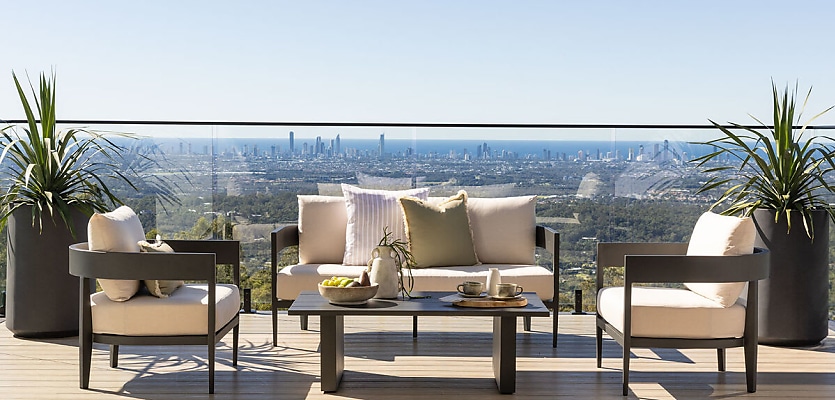
When buyers walk through a property, they’re forming a view on value as they go. They assess how different parts of the home connect, how usable they feel, and whether each space has a clear purpose. Outdoor areas can be harder to judge than interiors, particularly when they’re left empty.
This is where outdoor furniture provides clarity. It gives buyers fixed reference points to judge size, layout and function, rather than asking them to imagine how the space might work. Without those reference points, buyers may underestimate how much the outdoor area contributes to the home overall.
Here’s how that shift in perception becomes clear during an inspection.
It sells the experience, not just the space
A buyer standing on an empty deck often struggles to see its value. Place a dining table and four chairs, and that same deck instantly becomes an outdoor room where meals and gatherings could actually happen.
The same idea applies elsewhere. Two chairs on a balcony prove it can be used daily, not just forgotten. A lounge set beside a pool shows where people would relax, not just swim. These setups can turn a basic feature into a stronger selling point, which buyers are more likely to factor into their view of value.
It helps buyers picture life in the home
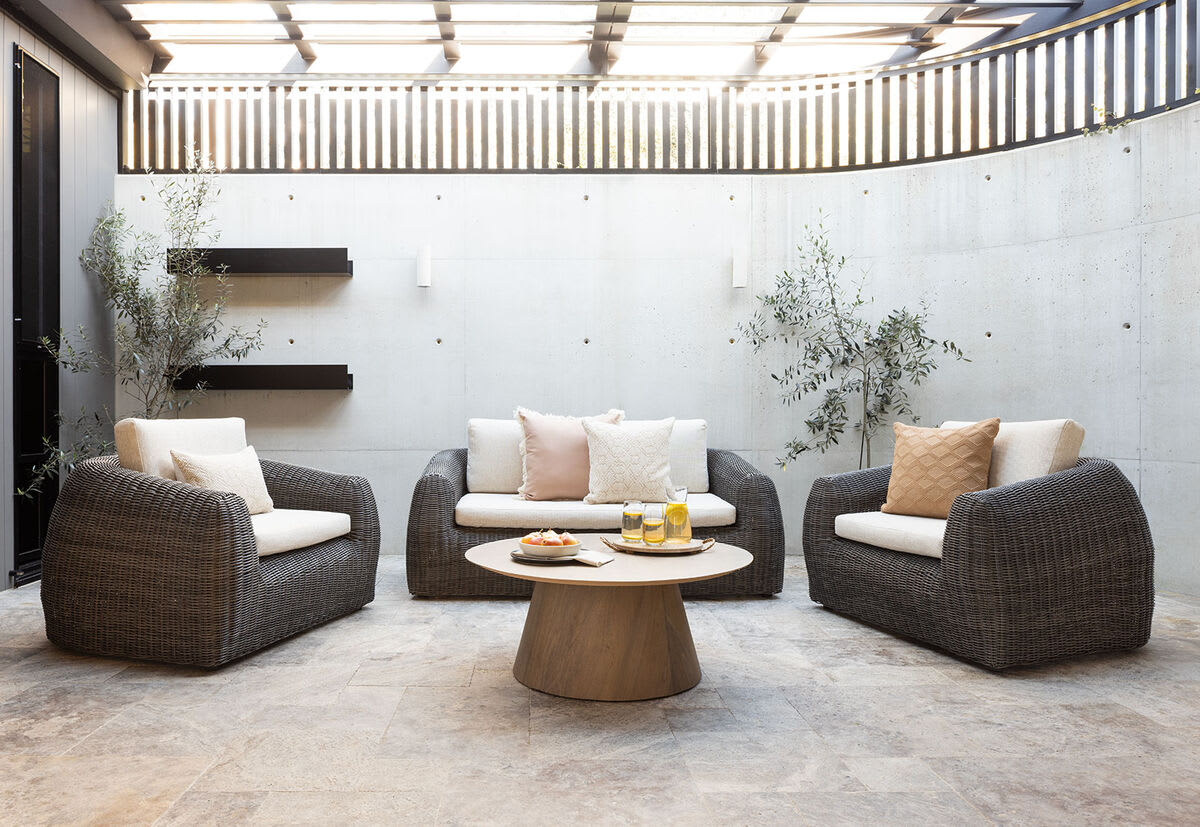
Empty decks, courtyards or balconies can feel awkward, even when they are a good size. Without furniture, buyers are left guessing, which can lower how valuable the space feels.
With furniture in place, buyers spend less time figuring out how the area works. A table sets up the idea of meals, while chairs define seating without explanation. This makes the space easier to understand and compare, which can improve how buyers assess the property during inspections.
It makes outdoor areas feel intentional
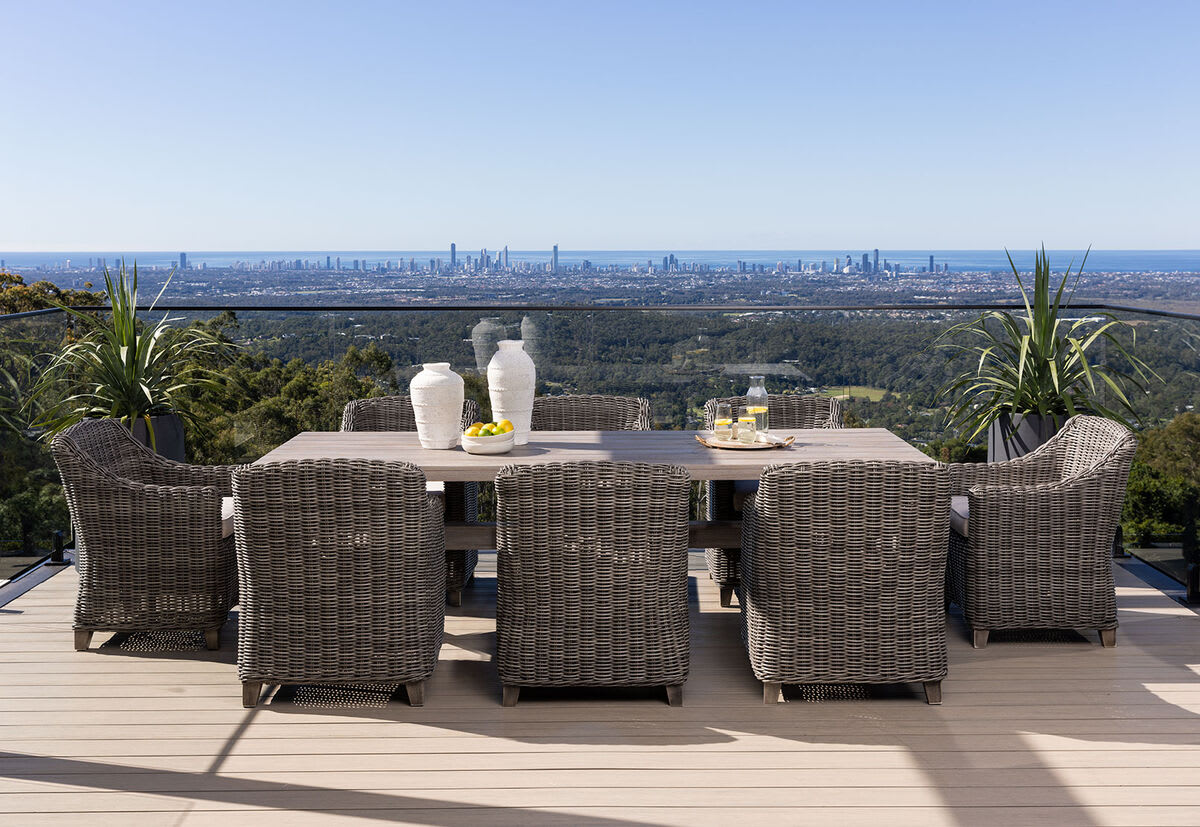
An unfurnished outdoor space can look like an afterthought. Once furniture is added, the space feels planned rather than leftover. That sense of planning affects how buyers judge the quality of the property overall.
For instance, a small balcony with two chairs reads very differently from an empty concrete slab. A courtyard with a compact table feels deliberate rather than ignored. Buyers often interpret this intention as a sign that the property has been well-considered, which can influence how confidently they assess its value.
Strengthen your next listing with outdoor furniture
Outdoor furniture doesn’t change a property’s layout or size, but it can change how buyers respond to outdoor space during inspections. When an outdoor area feels ready to use, buyers are more likely to treat it as part of the property’s overall value, rather than something to think about later.
For real estate professionals, this is less about styling and more about clarity. Outdoor furniture ranges, such as those available at Amart, an Australian furniture and outdoor living retailer, make it easier to set up outdoor areas so buyers understand them straight away. In practical terms, this can help inspections feel more complete, because the space already makes sense.
If you’re preparing a property for sale or lease, view outdoor furniture at Amart and consider how it fits into your next listing.


You are not authorised to post comments.
Comments will undergo moderation before they get published.