




Houses and units across the combined capitals saw their first quarterly decline in more than three years, as the downturn continues to cause softening conditions and dampening sentiment.
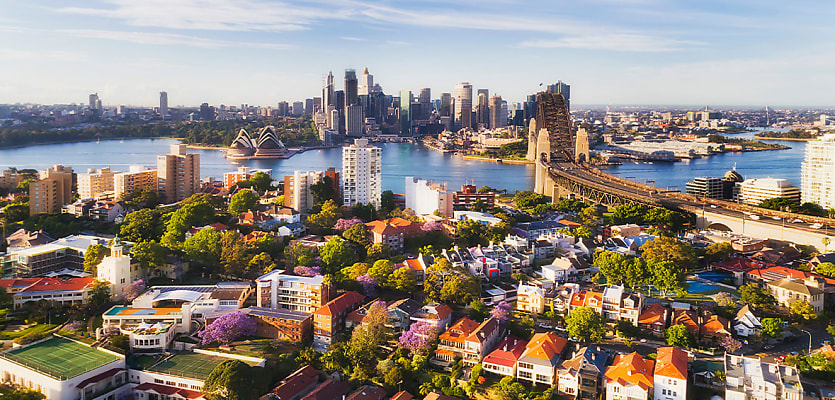
New data has shown that house and unit prices across the combined capitals fell for the first time across a quarter in more than three years, with Sydney continuing to lead the downturn.
According to Domain’s June Quarter 2026 House Price Report, house prices fell 1.4 per cent to $17,489, while unit prices fell 1.2 per cent to $8,631, ending the longest uninterrupted run of quarterly growth since 2012–15.
Based on the data, Sydney recorded the largest decline in prices nationally, with house prices falling 3.3 per cent to $1.73 million, marking the city’s first quarterly decline since December 2022.
Unit prices also declined for the first time in two years, showing the extent of the market slowdown.
Domain’s chief of research and economics, Dr Nicola Powell, said the June quarter showed a clear turning point for Australia’s housing market.
“Three months of data confirm that higher interest rates, affordability pressures, and weaker confidence are changing buyer behaviour and bringing the broad-based growth cycle to an end.”
She said the unit market provided one of the clearest signs of changing conditions, with price declines across almost every capital.
“Investors and first home buyers are becoming more cautious as borrowing costs rise and expectations of future price growth moderate,” Powell said.
In stark contrast to Sydney, Adelaide saw house prices rise 4.8 per cent, $51,186, to a record $1.125 million, the strongest quarterly increase of any capital city and the only market where house price growth accelerated.
As a result, the city overtook Melbourne as Australia’s fourth most expensive capital city for houses.
Meanwhile, Melbourne’s downturn deepened, with house prices falling 3.1 per cent over the quarter, marking the city’s steepest decline in almost four years, while the unit market also recorded a second consecutive quarterly decline.
Likewise, Canberra saw price falls across houses and units, with declines of 2.5 per cent for both, marking the first quarterly fall in house prices in 15 months.
Perth continued to record the strongest annual house price growth nationally, with values rising 22.5 per cent year-on-year.
However, quarterly growth dropped to 1 per cent, slowing to its weakest pace in 15 months, suggesting the city had moved beyond its peak.
According to Powell, Australia was no longer moving as a single housing market, with Sydney, Melbourne, Brisbane, and Canberra in decline.
“Adelaide continues to strengthen, and Darwin is bucking the trend in units, highlighting how local affordability, supply and demand are driving increasingly different outcomes.”
Powell said while fundamentals population growth, limited housing supply and elevated construction costs continued to support prices, affordability was now the dominant force shaping the market.
“Buyers have more choice, less urgency and greater negotiating power than they’ve had in several years.”
 Want to see more stories from trusted news sources?
Make Real Estate Business a preferred news source on Google.
