
A seasoned PM has declared that modern property managers will manage up to 500 properties by dumping the legacy model and becoming a little tech-savvy.
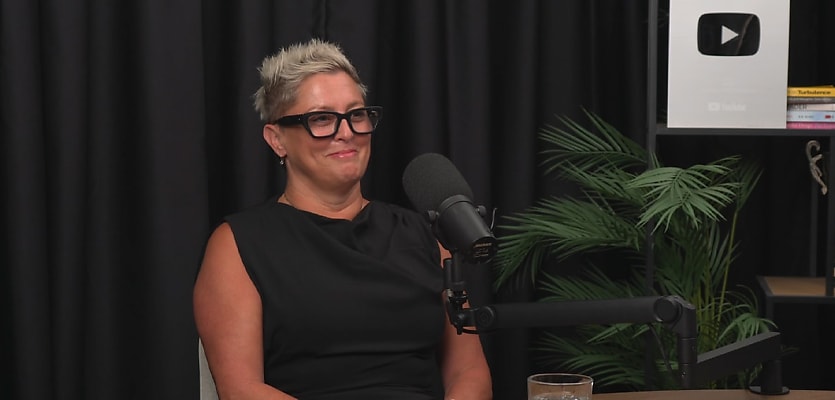
In a recent episode of REB’s The Property Management Excellence (PMX) Podcast, LJ Hooker head of property management Cathie Crampton joined REB director Alex Whitlock to discuss how next-gen property management businesses could reshape the industry through a fundamental restructure of what a property manager (PM) does inside the business.
She declared that agencies that do not make the shift will be left running an old model at a cost ratio they cannot defend.
Crampton has been in property management long enough to recognise the moment the numbers no longer add up. Most agencies still build their cost base around the traditional ratio where one property manager handles around 140 properties – they are doing everything from arrears calls to plumbing coordination to conducting lease renewal conversations.
In Crampton’s view, that ceiling is the wrong number, and it is going to be the wrong answer to a lot of strategic questions over the next few years.
"The ones still running 140 properties per PM with everyone doing everything are about to find out how compressed their margins really are,” Crampton warned.
"The PM of the modern era will be managing anywhere from 250 to 500 properties. That’s a result of better use of their technology, task-based modelling, and a relationship front end."
A little less admin, a lot more relationship building
Crampton is careful about how she describes this. She is not predicting a future where PMs are forced to push through more files. Rather, she posits that there could be a structural shift in the kinds of tasks a PM undertakes in a business.
The mechanism, she explained, is the separation of relationship work from task work. In a legacy agency, every PM does both. They sit on a phone call with an owner about an investment decision in the morning and chase up a faulty smoke alarm in the afternoon.
PMs who build long-term relationships with owners, however, retain them while growing their rent roll, Crampton asserted.
However, she lamented the amount of time consumed by task work, meaning they are left with no bandwidth to have valuable conversations about the owner’s prized asset.
How to structure your business
The next-gen model she is describing splits these into different roles. A senior PM holds the owner relationships and the investment conversations, freed from administrative load.
A coordinator layer handles the lease admin, maintenance coordination, and tenant communication. A field services team – often grown internally – handles inspections and physical property work, where Crampton notes the agency does not need to make a margin.
Underneath all of it is technology doing the job that humans were doing five years ago because nobody had built the workflow yet, Crampton said.
"Anything that is a task is either automated or replaced by a piece of tech," Crampton said.
“The senior PM ends up doing the work that justifies their seniority. The coordinators do the work they are best at. Capacity per senior PM moves from 140 to somewhere between 250 and 500, depending on the portfolio and the maturity of the systems behind them.”
Do an audit before buying shiny new tech
Crampton said she believes that the principals chasing this model are usually getting the sequence wrong. They reach for new technology before they have audited what they already own. The first move in her playbook is not a software purchase.
"Most businesses, when you go into them, are utilising 30 to 50 per cent of the tech functionality. So, there’s the first opportunity," she said.
She urged PMs and principals to review their existing stack and whether it is being used efficiently in practice. Then, they could identify the routine inspection workflows that were configured but never adopted, rent review automations sitting dormant, or reconciliation processes still being run manually despite the availability of tools that automate them.
When they deploy their tech stack efficiently, senior PMs will find that their job looks nothing like what it did for their predecessors five years ago. They are not chasing arrears. They are not coordinating tradespeople. They are sitting with owners, talking about yield and capital position and rent roll strategy, and recommending what to do next.
That is the version of the job Crampton said she wants to see, and the structure that could define which agencies survive the next decade.
Managed was built to help next-generation agencies win market share fast. It is the only comprehensive property management platform that exclusively delivers secure, instant, and automated direct payments from tenant to landlord, eradicating the need for a trust account.
If you'd like to find out how Managed can help power your growth, call Conor on 0452 298 394 or book a discovery call today.