



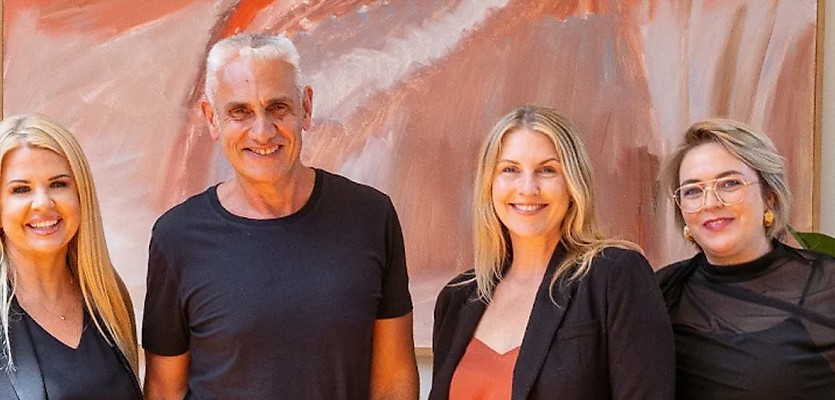

The rise-and-grind mentality in real estate has shifted as agents realise the importance of wellbeing in a long-term career, with coach and trainer Tom Panos sharing how they should realign their priorities.
According to Panos, the hustle culture has been changing for the better.
He said that the traditional real estate culture, which pushes real estate agents to the limit and glorifies long hours, is finally starting to be replaced by a more sustainable work-life balance.
According to him, the traditional real estate model was problematic, leading to faster burnout and a negative impact on agents’ health, families and careers.
He emphasised that, to have long, successful careers, agents didn’t need to hustle until they drop, but instead to strike a balance between their work and wellbeing, and that principals needed to be supportive to prevent high turnover.
“A happy agent is a successful agent, not a successful agent becomes a happy agent,” he told REB.
The shifting culture
Panos said the traditional hustle-and-bustle image of real estate glamourised by social media had been shifting over the past few years.
He said that social media glorified a harmful hustle culture and inflated expectations placed on agents.
“Social media wasn’t very big more than a decade ago, but now, by the minute, you’re getting an up-to-date, blow-by-blow description of what an agent’s life looks like.”
“What’s actually happened over the years is that social media created a false narrative and made real estate agents feel guilty if they weren’t performing at the level of other agents or their competitors.”
In addition, Panos said the competitive, commission-based nature of real estate has also been fuelling the drive to overwork, making it difficult to set boundaries between hustle and downtime.
Despite the nature of the industry, the veteran agent said that since COVID-19, the mindset has shifted, as property professionals were allowed to work from home, realising the importance of achieving a balance.
“What real estate agents are doing is learning the art of work-life integration versus work-life segmentation.”
“They’re realising that to have a long-term career, they’re going to have to avoid some of the red flags that bring careers to an end in a shorter period by people focusing on the wrong things.”
Panos said agents had also been rethinking the hustle model after witnessing peers burn out, leave the industry, face health struggles, experience family breakdowns, or become workaholics.
He said he had seen evidence of the toll that the grind mentality had taken, with many agents telling him they were fed up with the lifestyle.
“They look like they’ve blown a head gasket; something’s happened, so it’s still an issue.”
How to swap out hustle for healthy productivity
According to Panos, agents should put their wellbeing at the forefront, conduct regular assessments of their lives, and consider whether they feel settled, anxious, rested, or tired.
“To start doing a bit of an audit on their own life and ask themselves on a Sunday night, are they depressed about having to look forward to a whole week of work that they might not enjoy?”
He also said they needed to determine whether they were sleeping well, rather than waking up in the middle of the night or struggling to fall asleep.
“That’s one of the first signs that a real estate agent is out of balance. So just becoming mindful of some of the symptoms.”
“What I’m seeing is a lot of agents are prepared to drop 10, 20 per cent income to improve their health by 50 per cent.”
Additionally, Panos said agency managers also have a role to play in their team wellbeing and performance.
He advised that team leaders should give agents every opportunity to improve their physical and mental health, including flexibility in work hours.
“You might find that they might go for a run in the middle of the day, or go to the gym in the middle of the day or do some Pilates or do some yoga.”
“The other way that they can be supportive is to give them access to mental health services and behavioural professionals when they’ve got an issue, when they’re facing some sort of challenge in their life,” he concluded.
You might also like - Wellbeing isn’t optional: Kylie Davis on burnout, pressure, and the future of real estate
 Want to see more stories from trusted news sources?
Make Real Estate Business a preferred news source on Google.
